AI chatbots are rapidly becoming the front door of modern healthcare websites. In 2026, patients expect instant answers, 24/7 appointment scheduling, quick insurance clarification, and seamless communication without waiting on hold. But in healthcare, automation without privacy protection is a serious liability. That is why implementing HIPAA-compliant AI chatbots for healthcare is no longer optional — it is essential.
If your chatbot collects names, phone numbers, email addresses, medical concerns, or appointment requests, it may be handling Protected Health Information (PHI). The moment PHI enters the system, HIPAA rules apply. Many clinics deploy chatbots for convenience and lead generation, yet overlook the deeper compliance structure required behind the scenes. AI chatbot healthcare compliance is not about adding a disclaimer — it is about encryption, access control, hosting security, data governance, and vendor accountability.
Why HIPAA-Compliant AI Chatbots Matter in 2026
Healthcare consumers are more privacy-aware than ever. They understand data breaches. They have seen hospitals fined for improper tracking tools and unsecured digital systems. When a patient types sensitive health information into a chatbot, they assume it is secure. If it is not, the legal and reputational consequences can be severe.
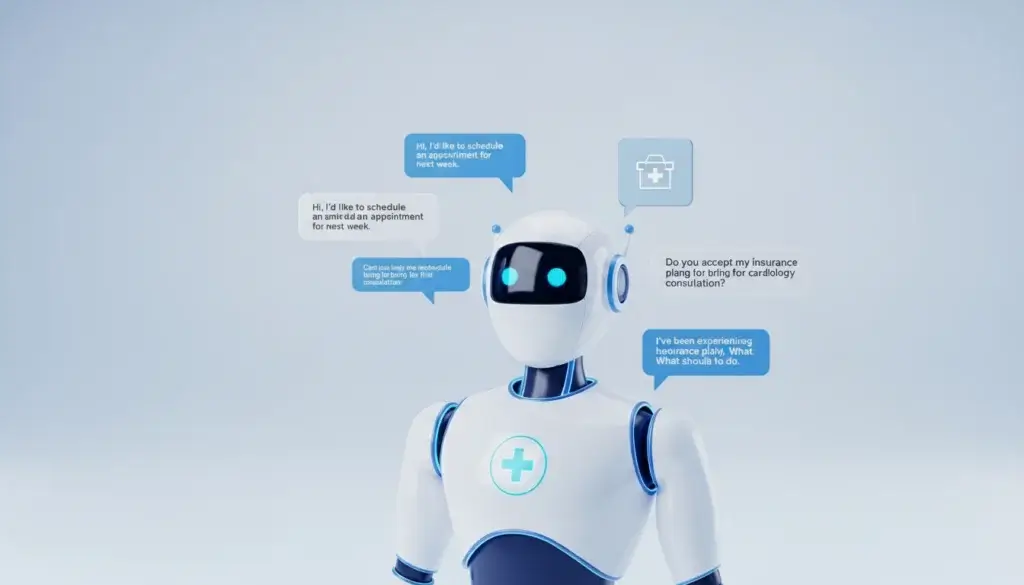
In 2026, AI-driven healthcare marketing is expanding rapidly. Chatbots are used for appointment booking, pre-screening, follow-ups, and even basic symptom triage. However, most chatbot tools on the market were originally built for e-commerce businesses, not medical practices. That creates a dangerous gap between functionality and compliance.
A secure patient chatbot must protect data both in transit and at rest. This means encrypted HTTPS communication, encrypted databases, and secure cloud hosting environments that align with HIPAA security standards. Without these safeguards, even a simple contact form conversation can become a compliance violation.
Beyond technical setup, healthcare organizations must ensure that any chatbot vendor handling PHI signs a Business Associate Agreement (BAA). Without a BAA, you are directly exposed to regulatory risk. In 2026, this is one of the most overlooked requirements in AI chatbot healthcare compliance.
Core Requirements for Secure Patient Chatbots
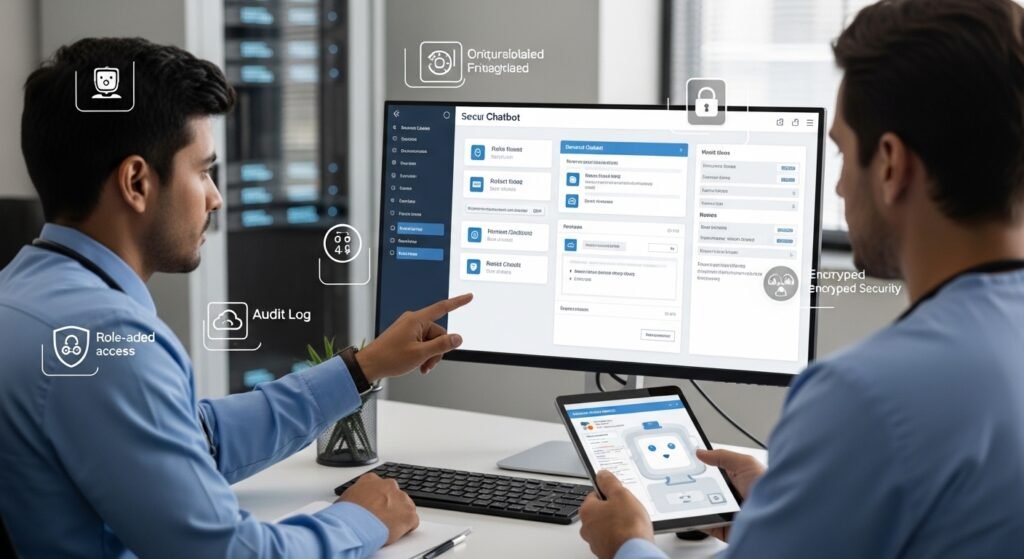
A HIPAA-compliant AI chatbot is built on structured security principles. First, encryption must be standard at every level. Second, role-based access control ensures that only authorized staff can view or manage patient conversations. Third, audit logs must record who accessed information, when it was accessed, and what actions were taken. These audit trails are critical during compliance reviews or investigations.
Another essential principle is data minimization. Healthcare chatbots should collect only the information necessary to complete a task. Instead of allowing patients to freely type detailed medical histories into an open chat box, structured conversation flows guide them safely. For example, a chatbot can ask whether the patient would like to schedule an appointment and securely collect contact information. It does not need to gather sensitive diagnostic details during initial engagement.
Many healthcare providers also integrate chatbots into CRMs for automated follow-ups and marketing sequences. However, not all CRMs are HIPAA compliant. If chatbot data flows into an unsecured CRM or syncs automatically with advertising platforms, that creates hidden compliance exposure. Secure patient chatbots must operate within a fully compliant digital infrastructure that includes encrypted APIs, restricted internal access, and properly configured tracking systems.
AI training practices also require attention. Some artificial intelligence systems improve responses by learning from past conversations. If real patient data is used in training models without de-identification and safeguards, that may violate HIPAA privacy standards. In 2026, compliance extends beyond storage — it includes algorithm governance and responsible AI management.
AI Chatbot Healthcare Compliance & Website Integration Risks
Many compliance risks do not originate inside the chatbot itself but within the surrounding website environment. If chatbot interactions trigger Google Analytics events, advertising pixels, or third-party tracking tools that capture identifiable data, PHI may be transmitted unintentionally.
Healthcare website compliance now requires auditing tracking scripts, cookies, event parameters, and URL structures. A chatbot can appear secure while backend analytics quietly expose sensitive information. This is why AI chatbot healthcare compliance must be approached holistically, not in isolation.
Long-tail search queries such as “how to build a HIPAA-compliant chatbot for medical practice” and “secure AI chatbot for healthcare website 2026” reflect growing awareness among healthcare decision-makers. Organizations are no longer just looking for automation. They are searching for secure, compliant patient chatbot systems that align with modern regulatory expectations.
How Edinsol Builds HIPAA-Compliant AI Chatbots
At Edinsol, we understand that healthcare automation requires both marketing intelligence and regulatory precision. As a Healthcare Digital Marketing Agency and Healthcare Chatbot Provider, we design AI chatbot systems that prioritize privacy, performance, and compliance equally.
Our team includes specialized healthcare compliance and digital marketing experts with experience across the USA, UK, and UAE. This multi-region understanding allows us to implement secure patient chatbots aligned with HIPAA requirements while also considering GDPR and regional healthcare data protection standards where applicable.
We do not treat chatbots as standalone tools. We integrate them into secure CRM environments, encrypted hosting systems, and compliance-audited tracking frameworks. We review data flow architecture, ensure BAA coverage where required, and implement structured conversation design that minimizes unnecessary PHI collection. The result is not just a chatbot, but a compliant growth system.
In 2026, healthcare providers who succeed will be those who combine innovation with accountability. AI-driven healthcare marketing offers tremendous opportunity, but only when executed responsibly. A HIPAA-compliant AI chatbot increases appointment bookings, improves patient experience, and reduces administrative workload — all while protecting the trust that healthcare organizations depend on.
Secure patient chatbots are not simply a technical upgrade. They are a strategic safeguard. They show patients that your organization values privacy as much as convenience. And in today’s regulatory landscape, that trust is a powerful competitive advantage.
If your organization is planning to deploy or upgrade an AI chatbot, now is the time to evaluate your compliance foundation. Ensure encryption is in place, verify vendor agreements, audit CRM integrations, and assess AI training processes. Growth in healthcare must be secure by design.
At Edinsol, we help healthcare brands scale confidently with HIPAA-compliant AI chatbot solutions built for 2026 and beyond — because true innovation protects patient privacy while driving sustainable growth.









Leave A Reply Now