Search engine optimization continues to evolve every year, and 2026 is no exception. On-page SEO is one of the most important factors in helping your website rank higher, attract more traffic, and convert visitors into customers. But many businesses still make common mistakes that slow down their growth.
In this guide, we’ll walk you through on-page SEO best practices for 2026—practical, actionable tips you can implement today. These strategies are designed to help you improve your rankings, increase engagement, and stay ahead of the competition.
Why On-Page SEO Matters in 2026
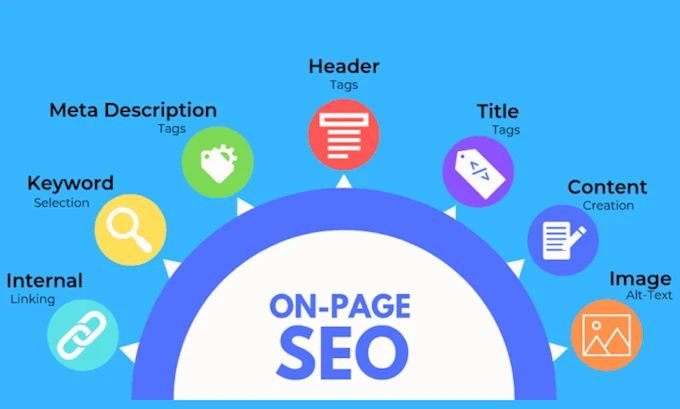
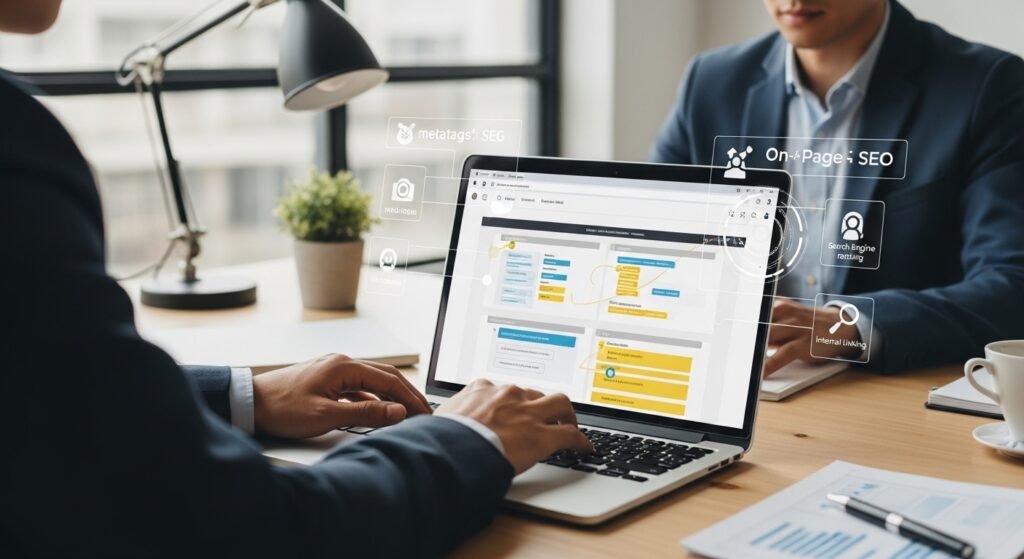
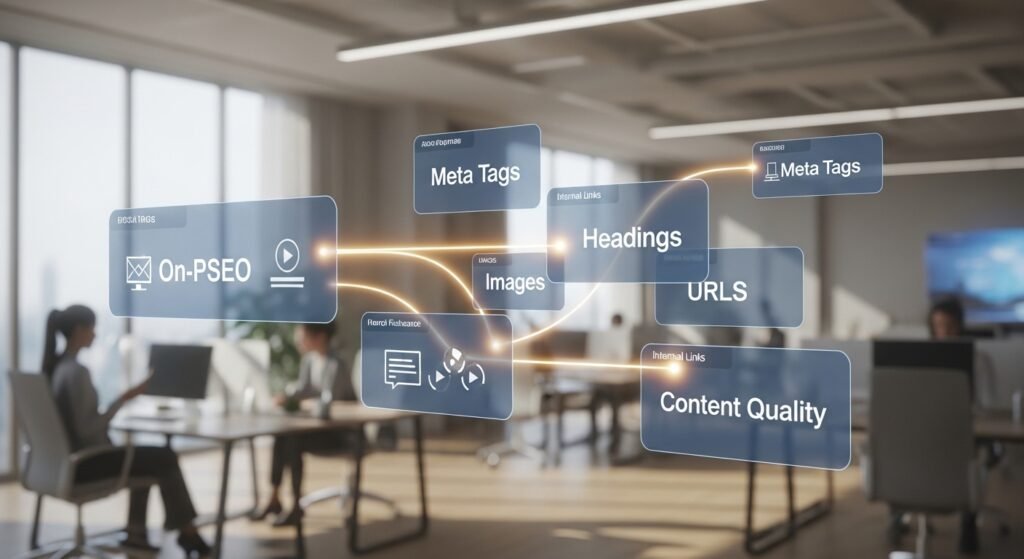
On-page SEO refers to optimizing elements on your website so that search engines can understand and rank your content better. This includes things like meta tags, headings, images, URL structures, content quality, and internal linking.
In 2026, search engines are smarter than ever. They are not just looking at keywords—they are analyzing the intent behind searches, user experience, and content relevance. That means traditional tactics like stuffing keywords no longer work. Instead, modern on-page SEO focuses on helping users find answers quickly and effectively.
Following on-page SEO best practices ensures that your website is optimized for both humans and search engines. This not only improves rankings but also increases trust and engagement with your audience.
When you pick your tool, focus on one that fits your workflow. For example, if you create daily short videos, speed and ease of editing are crucial. CapCut integrates well with TikTok, so exporting your edited clips is seamless.
Focus on High-Quality, Relevant Content
Content is still king in SEO, but quality matters more than quantity. Search engines in 2026 prioritize content that is informative, relevant, and engaging.
When creating content, keep your audience in mind. Understand their problems, questions, and goals. A blog, service page, or product description should provide real value. Include long-tail keywords naturally within your content. For example, instead of just “on-page SEO,” you can use phrases like “on-page SEO best practices for small businesses” or “how to optimize website pages for SEO 2026.”
Another important factor is content freshness. Regularly updating your pages with new insights, statistics, or examples signals to search engines that your content is current and authoritative.
Meta titles and descriptions remain essential for on-page SEO. They help search engines understand your page and influence click-through rates.
Your meta title should include your primary keyword, like “on-page SEO best practices” or “SEO 2026,” while remaining compelling to readers. Meta descriptions should summarize the content in a way that encourages clicks, using related keywords naturally.
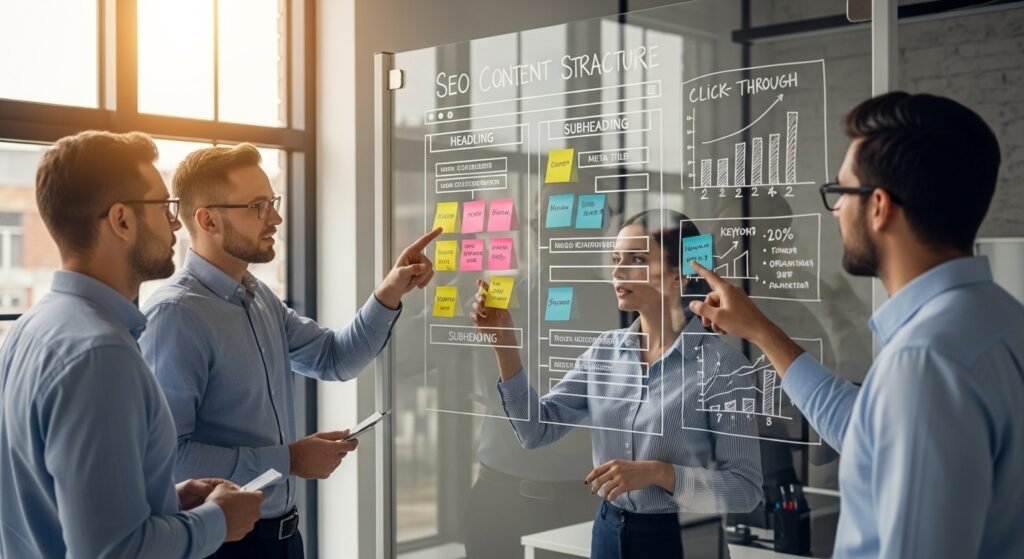
Headings (H1, H2, H3) structure your content for readers and search engines. In 2026, search engines also use headings to understand context and content flow. Avoid keyword stuffing—focus on clear, descriptive headings that guide your readers.
Use Internal Linking Strategically
Internal linking is a powerful but often overlooked on-page SEO strategy. Linking relevant pages on your website helps search engines crawl your site more effectively and distributes page authority.
For example, if you have a blog about on-page SEO tips, link to other relevant resources such as “how to improve website speed” or “SEO checklist for small businesses.” Internal links also keep users engaged longer by providing additional value, which positively impacts rankings.
Optimize Images and Multimedia
Visual content is critical for user engagement and SEO. In 2026, search engines pay more attention to image optimization and accessibility.
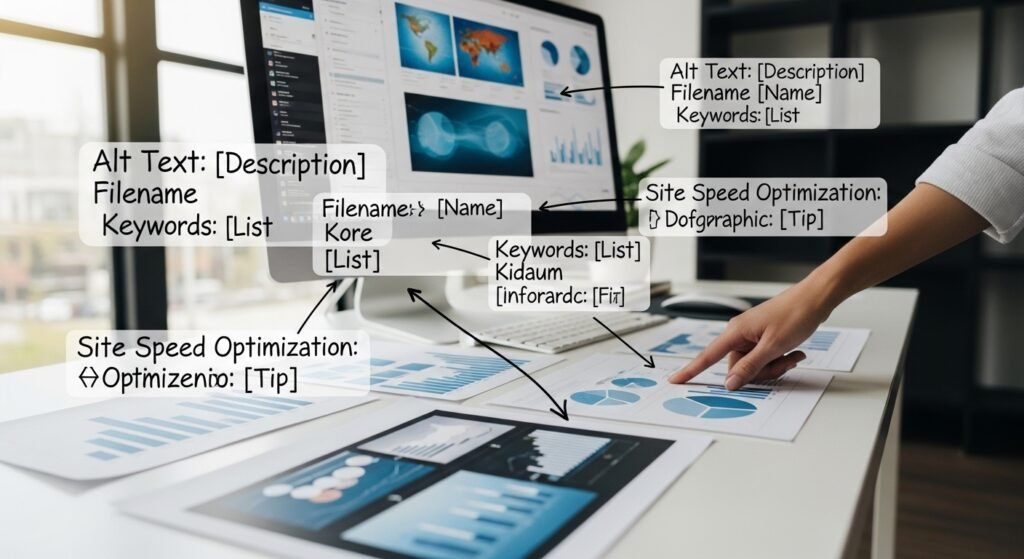
Always use descriptive filenames and alt text for images. Include keywords where appropriate, but avoid overstuffing. Optimizing images for size and format ensures faster loading times, which is crucial because site speed is a major ranking factor.
Short videos, infographics, and interactive content are also valuable. They enhance user experience, increase dwell time, and can help your content go viral. Integrating short-form videos with your on-page SEO strategy can improve rankings while engaging your audience effectively.
Mobile Optimization is Non-Negotiable
With most users accessing websites through mobile devices, mobile optimization is critical for SEO in 2026. Search engines prioritize mobile-first indexing, meaning your mobile version is considered the primary version of your site.
Ensure your site is responsive, loads quickly, and provides a seamless user experience across devices. Elements like clickable buttons, easy navigation, and readable fonts improve both SEO and user satisfaction.
Google’s Core Web Vitals have become central to on-page SEO. These metrics measure user experience, including loading speed, interactivity, and visual stability.
Optimizing your website to meet these standards is essential. Pages that load faster, respond quickly, and maintain stable layout while scrolling not only rank higher but also reduce bounce rates.
Incorporate techniques like compressing images, leveraging browser caching, and reducing unnecessary scripts to improve your Core Web Vitals.
Structured Data and Rich Snippets
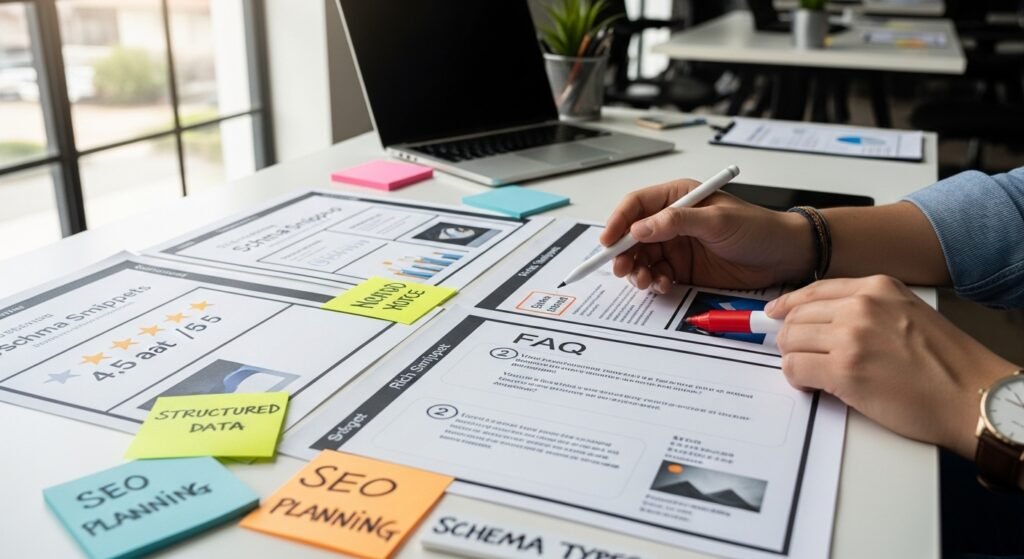
Structured data helps search engines understand your content better. Adding schema markup to pages can create rich snippets in search results, like star ratings, FAQs, and product details.
Rich snippets improve visibility and click-through rates, making your pages more attractive to users. In 2026, structured data will play a bigger role in helping your content stand out in search results.
Monitor Analytics and Continuously Improve
SEO is not a one-time task. Regularly monitoring your website’s performance is key to staying ahead. Track metrics such as page traffic, bounce rate, time on page, and keyword rankings.
Use this data to identify what works and what needs improvement. Continuous optimization ensures that your on-page SEO strategy stays effective in a rapidly changing digital landscape.
Final Thoughts
Implementing on-page SEO best practices in 2026 is essential for businesses that want to grow online. Focus on creating high-quality content, optimizing technical elements, enhancing user experience, and leveraging multimedia. Regularly analyze your results and adapt strategies based on trends and user behavior.
By following these practices, your website can achieve better rankings, increased traffic, and higher conversions.
Boost Your SEO Now!
Struggling to optimize your website fully? Edinsol – your AI-driven growth digital partner can audit your site and provide actionable tips to improve rankings and traffic.
To achieve measurable growth, you need more than just SEO knowledge—you need a trusted partner who can implement the right strategies. Edinsol – AI Driven Growth Digital Partner helps businesses maximize their online presence through data-driven on-page SEO, social media marketing, and sales-focused strategies.
With Edinsol, you get a team that combines industry expertise with AI-powered insights, ensuring your website ranks higher, attracts real customers, and drives revenue. We focus on trust, transparency, and results, making sure your growth is sustainable.
Ready to take your website to the next level? Connect with Edinsol today and start optimizing your business for 2026 success.





Leave A Reply Now